
No products
Prices are tax included
Product successfully added to your shopping cart
There are 0 items in your cart. There is 1 item in your cart.
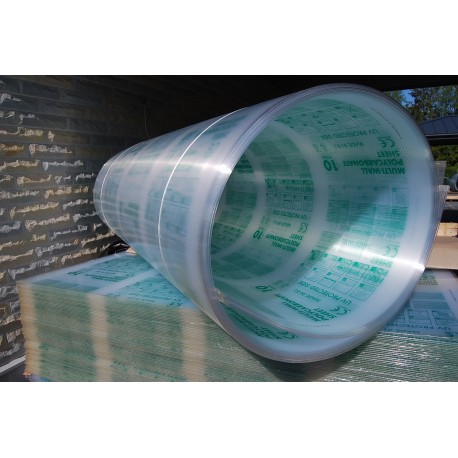
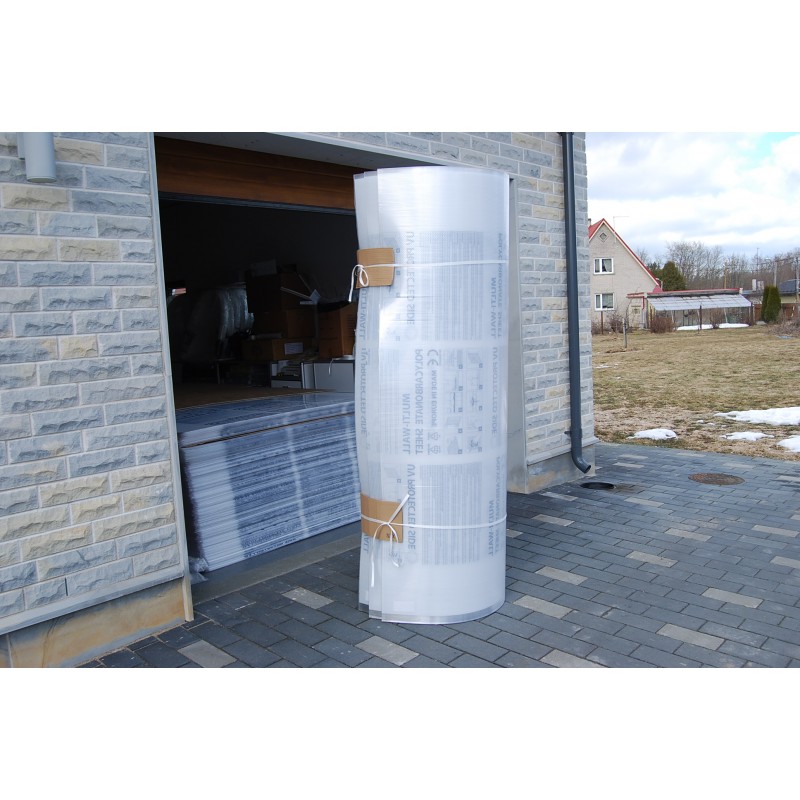
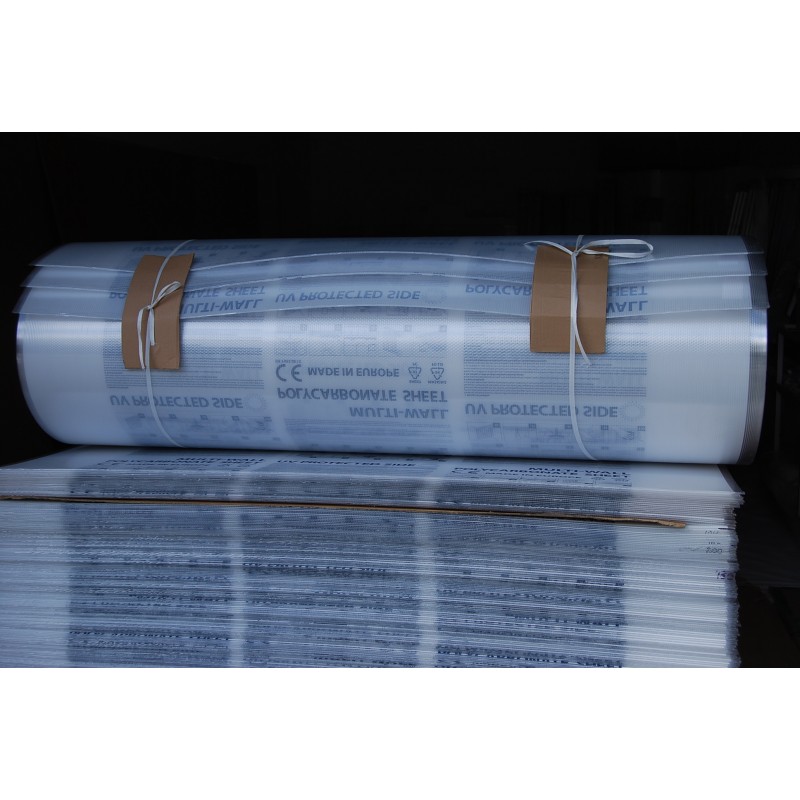
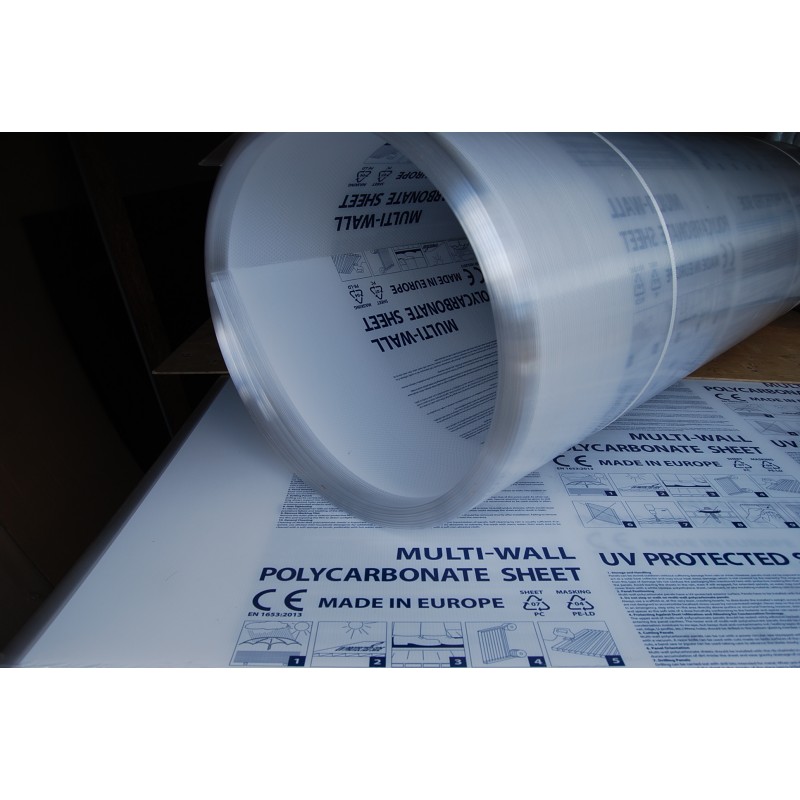
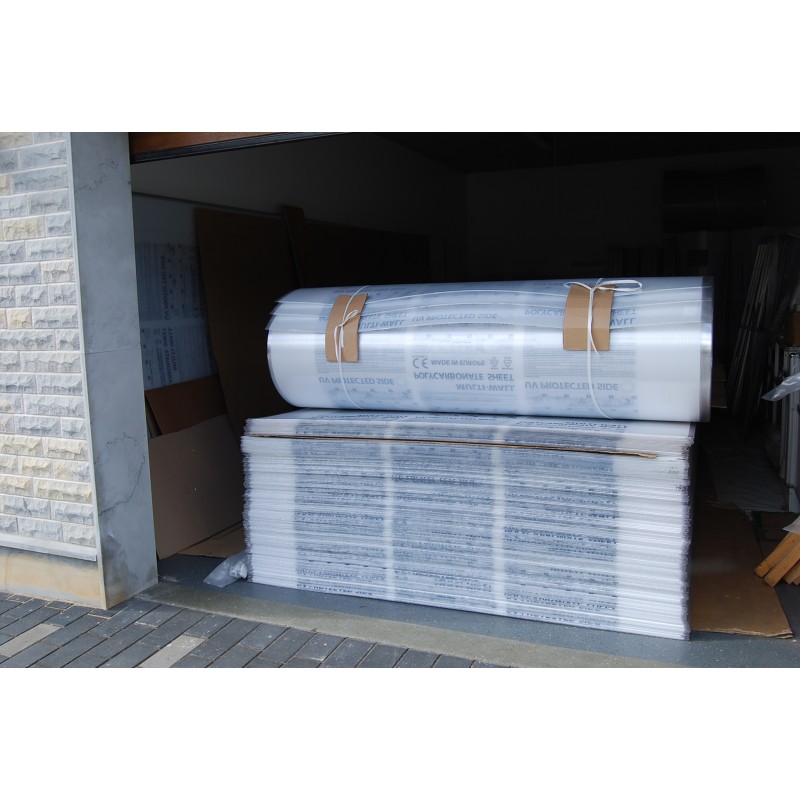
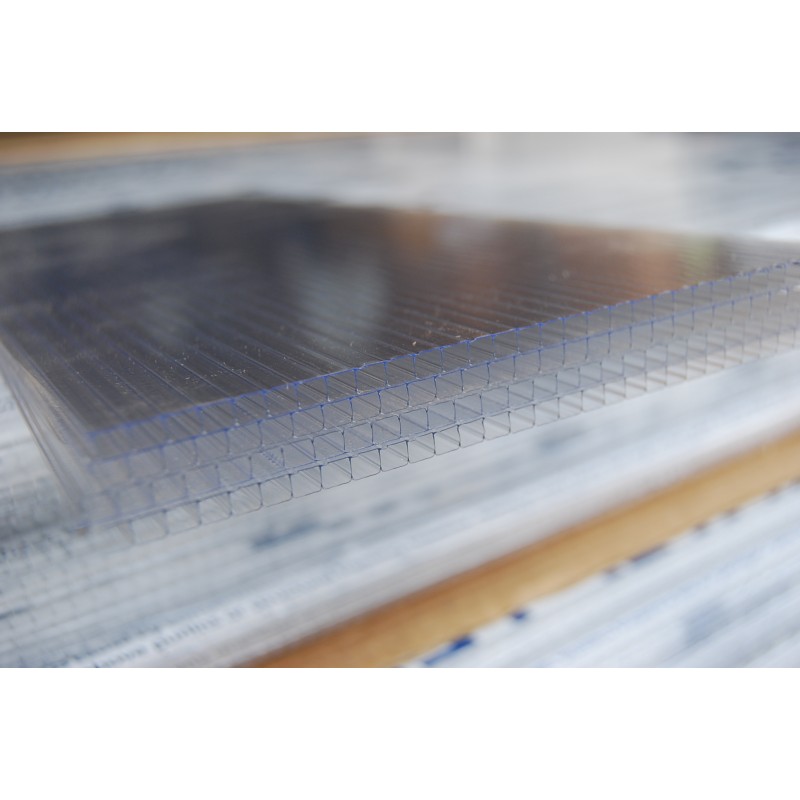
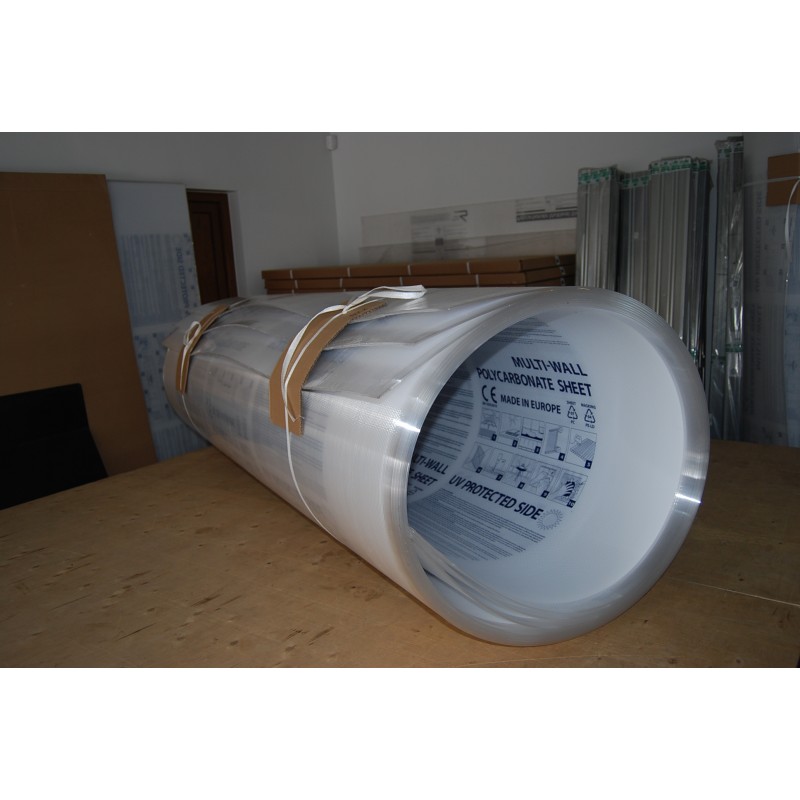
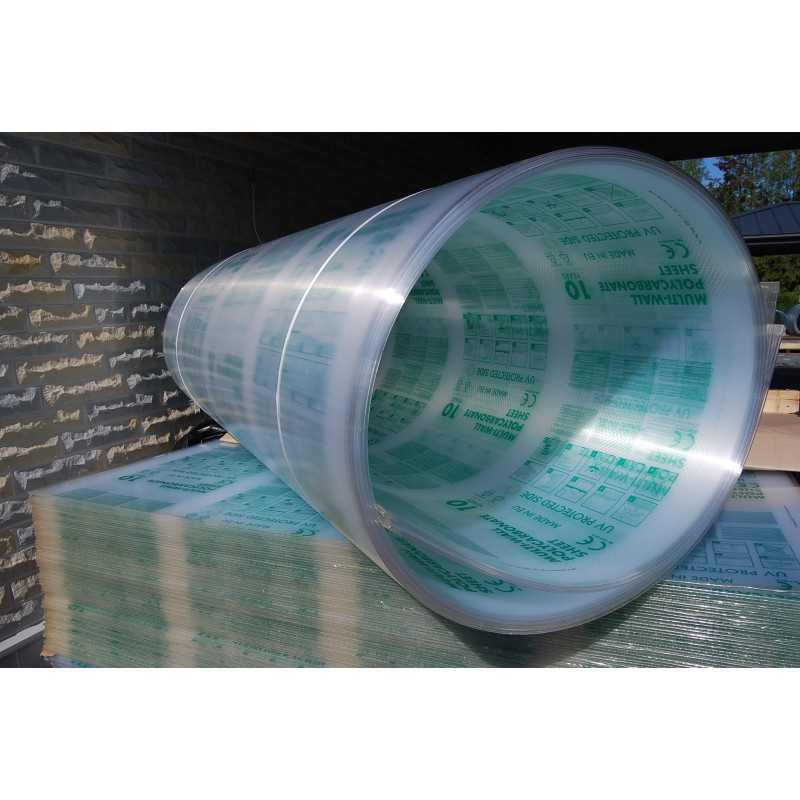
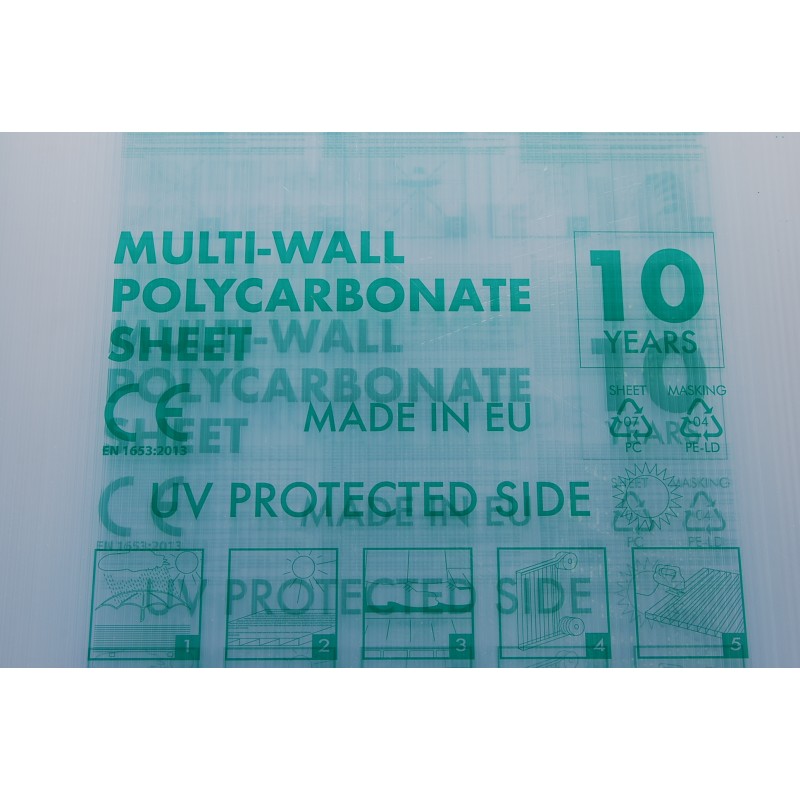
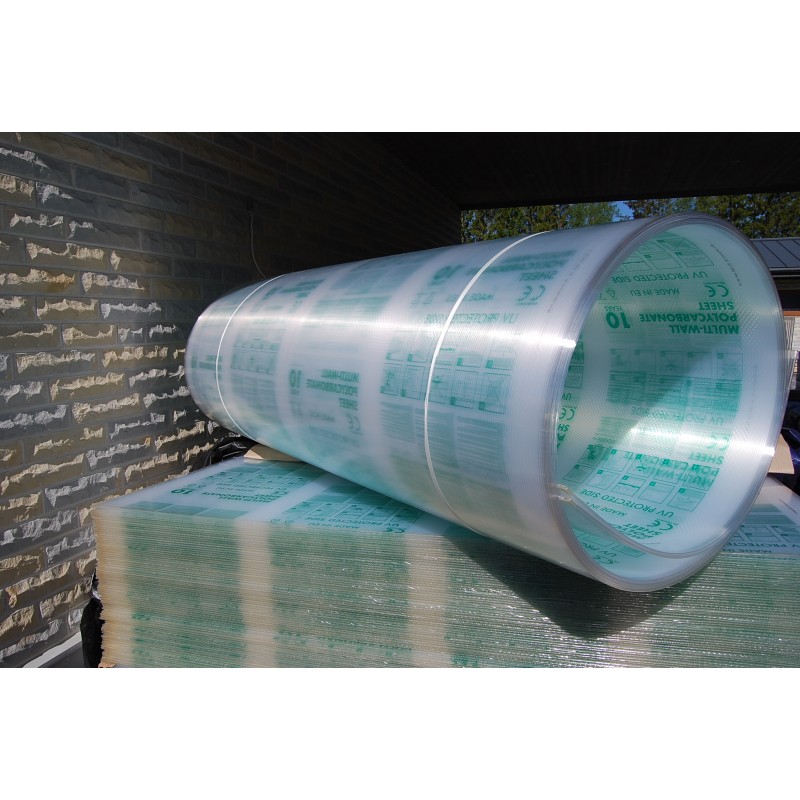
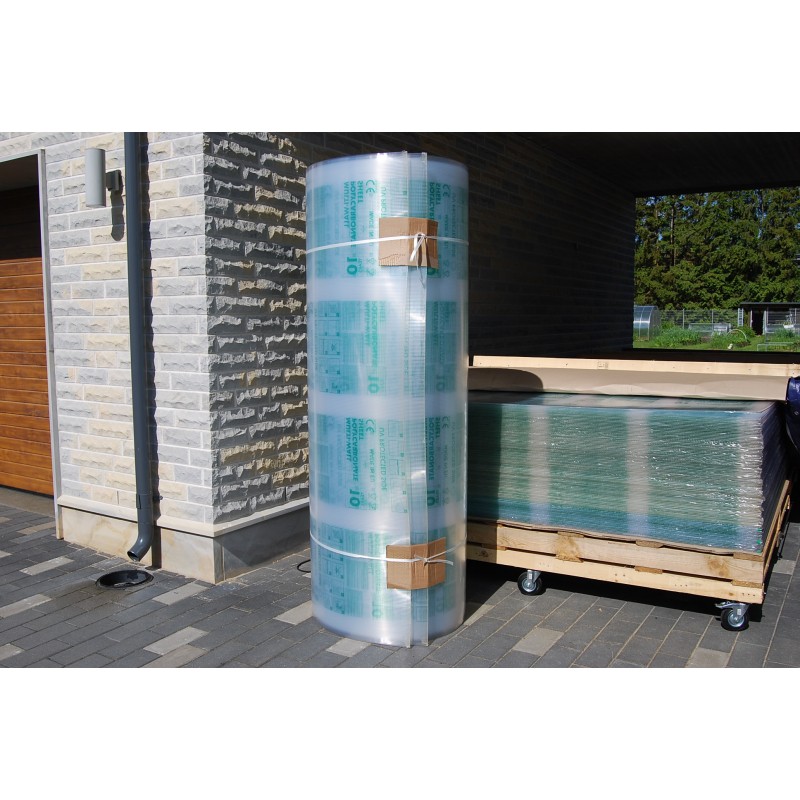
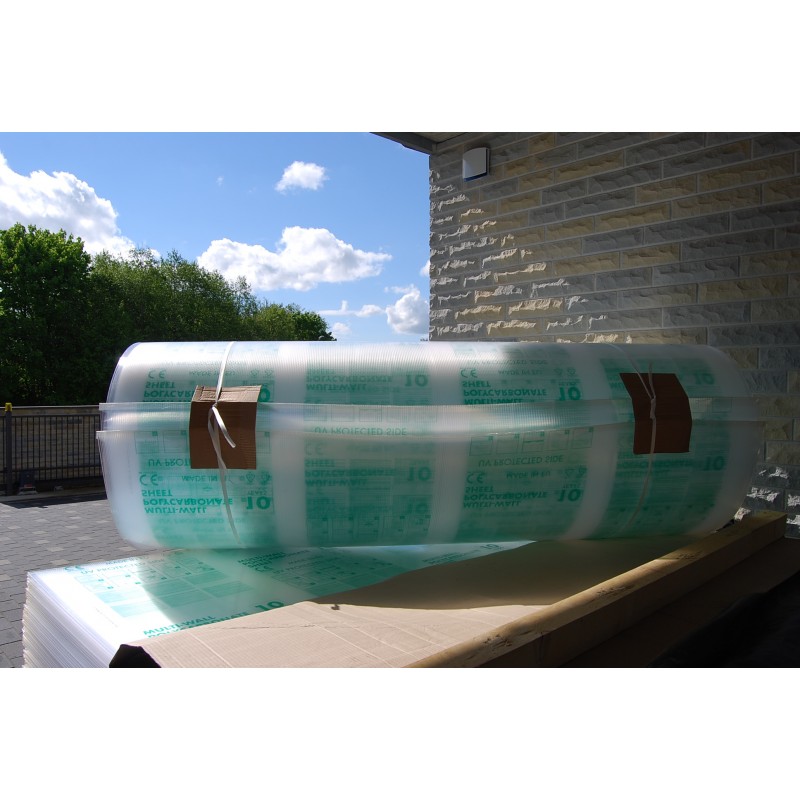
Polycarbonate 2100 x 6000, 6mm
New
High quality polycarbonate.
Polycarbonate ( Multilayer PC plastic) 2100mm wide and 6000mm long. Suitable for both indoor and outdoor use. The sheet is covered with UV protection.
Material weight 6mm - 1.1kg / m2
More info
Material description.
Laminated plastic is weatherproof. A special coating protects the material from UV radiation, thanks to which the manufacturer gives the material a 10-year guarantee for light transmission. The guarantee is valid if installed correctly.
Laminated plastic is up to 200 times more impact-resistant than ordinary glass.
Laminated plastic has good light transmission. Depending on the thickness of the material, the light transmission of a multilayer board ranges from 45-80%.
Laminated plastic has very good heat retention. The U-coefficient, depending on the thickness, is 1.0 W/m2K.
Laminated plastic is environmentally friendly. Laminated plastic helps save energy (heat and electricity). After the end of its useful life, the material is recyclable and reusable. Laminated plastic (polycarbonate, PC) does not emit environmentally hazardous compounds when disposed of. When burned, laminate plastic mainly emits water and carbon dioxide (CO2).
Laminated plastic does not burn on its own. The flammability/fire spread class of the laminated plastic (thicknesses 6-20 mm) is B-s1-d0 (B1). This allows the material to be used in structures that meet TP1 requirements. Video
Laminated plastic is easy to process. Most hand tools are suitable for processing the material (cutting, drilling, fixing, etc.).
Installation.
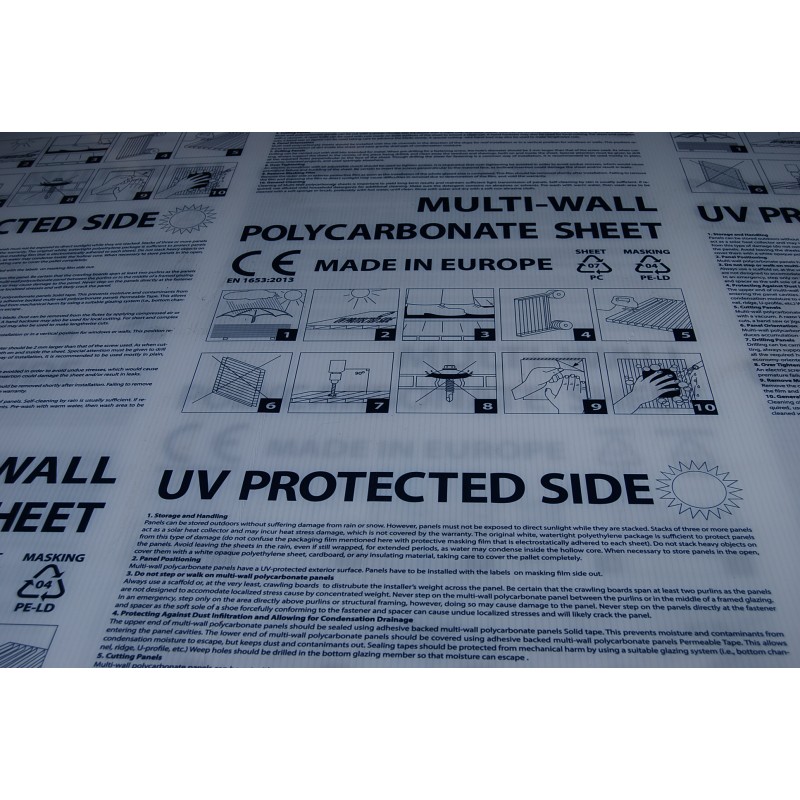
Always install the board the right way up. One side of the material is protected by a UV radiation protection layer. The side with the protection layer must be installed upwards, i.e. outwards. The side with the UV protection layer has protective films with letters, the side without UV protection has a protective film without letters.
The minimum roof pitch is 5 degrees. This means a slope of 90 mm per meter.
Follow the load table. The thinner the material, the closer the pitch of the subframe under the material must be.
The material can be cut with a circular, jigsaw or hand saw. After cutting, clean the ends of the material from cutting debris with compressed air or a vacuum cleaner.
The ends of the material must be closed with end strips. The upper end as tightly as possible using weatherproof tape or silicone and then a U end strip. The lower end only with a siliconed U strip so that the U strip can ventilate from the sides. There is a “groove” at the bottom of the material that leaves a ventilation space at the ends. Condensation at the ends of the material in humid weather is allowed.
Fasten the material with roofing screws with a gasket. It is necessary to drill a hole in the material with a diameter 2-3 mm larger than the diameter of the screw. In this case, the material can “play” with temperature changes. Screw pitch 400 mm.
Fasten the screws with reasonable force. If you fasten with too much force, the material may form cavities that will collect debris in the future.
Laminated plastic has excellent technical characteristics: - light transmission up to 80% - impact resistance almost 200 times higher than that of ordinary glass - operating temperature -40 to +120 degrees - the cold bending radius of the material is 150x the material thickness. 6 mm material r= 900 mm, 10 mm r= 1500 mm
Laminated plastic has European fire class B1 (up to 20 mm thickness). The material does not burn on its own and does not emit harmful compounds to the environment.
Maintenance.
Laminated plastic does not require any special maintenance during operation. To avoid abrasive friction, dry wiping should be avoided.
- Clean water is required to clean laminated plastic.
- In case of heavy dirt, the water should be warm and contain mild cleaning agents that are used in the household (liquid soap, dishwashing detergents). - Use a wet soft cloth or sponge for cleaning.
- Dry rubbing should be avoided. When drying the material, the drying agent should be free of abrasive particles that may damage the surface (dust, sand, dirt). - Do not rub the material when drying.
- After intensive rubbing, the laminated plastic becomes statically charged and may begin to attract dust. - To prevent static electricity, the material should be treated with antistatic agents.
- Windows or other glass surfaces can also be cleaned with a pressure washer, where a little mild detergent is added to the water if necessary.
When cleaning, do not use:
- paper towels (they act as good sandpaper)
- window cleaners or other alcohol- and ammonia-based cleaning agents - acetone, benzene, petrol, carbon tetrachloride.
- Cleaning agents based on ammonia and organic solvents are absorbed into the material and cause the material to crack.